
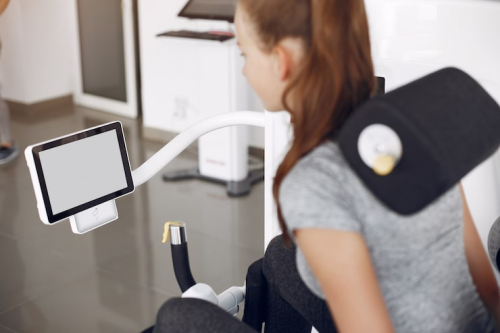
Physical therapy clinics are managing more than patient care. They are also balancing scheduling demands, documentation requirements, communication workflows, and the need to keep patients engaged throughout their care journey. As clinics evaluate new technology, PTEMR AI automation is becoming an important consideration for practices looking to improve efficiency without adding unnecessary complexity to daily operations.
Prompt PTEMR AI automation represents a shift toward using intelligent systems within physical therapy workflows. Instead of treating AI as a separate tool, clinics can explore how automation can support electronic medical records, administrative processes, and patient management activities. For practices evaluating AI automation for physical therapy clinics, the key question is not simply whether AI exists, but whether it fits the realities of a busy rehabilitation environment.
Top chiropractic practices lose patients due to inconsistent follow-ups, disrupting flow and stalling revenue. Take charge of your practice’s growth. TrackStat’s EHR-integrated automation and intelligent task prioritization streamline engagement, maximize retention, and keep schedules full without added stress. See how TrackStat empowers your team to retain patients and grow seamlessly. Schedule your risk-free demo today
Why Physical Therapy Clinics Are Exploring AI Automation
Physical therapists spend significant time balancing direct patient care with operational responsibilities. Administrative tasks, communication follow-ups, documentation workflows, and scheduling coordination can all affect how efficiently a clinic operates.
AI automation provides an opportunity to reduce repetitive work while allowing teams to focus more attention on patient interactions. The goal is not to replace clinical judgment. Instead, effective automation supports healthcare teams by handling structured processes and helping staff access the information they need more efficiently.
Research on large language models in physical therapy highlights how AI systems may assist with administrative and clinical support tasks when implemented with appropriate human oversight. These technologies can help clinics explore new approaches to documentation, education, and workflow management while maintaining the importance of professional expertise.
For physical therapy organizations evaluating technology investments, the value of automation often comes from improving consistency. A well-designed system can help create smoother workflows, reduce manual steps, and provide teams with better visibility into operational priorities.
What Makes Ptemr AI Automation Relevant for Physical Therapy Workflows
Physical therapy practices operate differently from many other healthcare environments. Patients often follow treatment plans that require multiple visits, ongoing communication, and consistent engagement. This makes workflow coordination especially important.
PTEMR AI automation is designed around the idea that technology should work alongside existing clinical processes. Rather than creating disconnected systems, automation within an electronic medical record environment can help practices manage information and workflows in a more organized way.
- Administrative workflow support: Reducing repetitive tasks that require staff time and attention.
- Patient communication processes: Helping teams maintain consistent engagement throughout the care process.
- Documentation assistance: Supporting more efficient information management while keeping clinicians involved in decision-making.
- Operational visibility: Helping practice leaders understand where workflows can be improved.
The most effective automation strategies are built around the needs of the clinic. A technology solution should complement existing processes rather than force teams to completely redesign how they work.
How AI Tools Can Support Physical Therapy Practice Efficiency
Many clinics are interested in AI tools for physical therapy practices because they can help address operational challenges that develop as patient volume increases. When teams rely heavily on manual processes, important tasks may require additional tracking, reminders, or staff coordination.
AI-supported workflows can help organize repetitive activities and make operational processes easier to manage. For example, automation may assist with identifying workflow steps that require attention, organizing information, or supporting communication processes according to established clinic guidelines.
However, healthcare automation requires careful implementation. AI systems should be reviewed by qualified professionals, and organizations should maintain appropriate safeguards when handling health information. This includes considering privacy requirements, access controls, security practices, and ongoing technology oversight.
For clinics using healthcare technology, protecting patient information remains a priority. The Health Insurance Portability and Accountability Act (HIPAA) establishes requirements for protecting Protected Health Information (PHI). Practices should evaluate technology solutions based on their privacy and security processes, including appropriate safeguards, agreements, and compliance procedures. This is not legal advice; healthcare organizations should consult compliance professionals for guidance specific to their circumstances.
The Role of EHR Integration in Physical Therapy Automation
One of the biggest challenges with healthcare technology is disconnected systems. When scheduling, communication, patient information, and workflow tools operate separately, staff may spend additional time moving information between platforms.
EHR-integrated automation aims to reduce these gaps by connecting operational workflows with the systems clinics already use. For physical therapy practices, this can create a more coordinated approach to managing patient interactions and administrative responsibilities.
TrackStat focuses on helping healthcare practices use automation as an operational layer connected to existing workflows. The platform’s approach centers on helping clinics improve patient tracking, engagement, and practice efficiency rather than functioning as only a communication tool.
For clinics considering physical therapy practice automation software, integration capabilities are an important evaluation factor. Technology should fit into the clinic’s current environment while supporting staff productivity and patient-focused care.
Why Human Oversight Remains Essential in AI-enabled Healthcare
AI can support healthcare workflows, but it does not replace the expertise of physical therapists, administrators, or compliance teams. The strongest implementations combine automation with human decision-making.
AI-generated outputs require review, especially when they relate to patient care, documentation, or health information. Research into AI use in physical therapy emphasizes the importance of human oversight, accuracy checks, and ethical considerations when applying these tools in rehabilitation settings.
- Staff training: Ensure team members understand how automation tools should and should not be used.
- Privacy practices: Maintain policies for protecting PHI and controlling access to sensitive information.
- Regular reviews: Evaluate workflows, security measures, and system performance over time.
- Clear responsibilities: Define which tasks remain dependent on human judgment.
Healthcare organizations should also remember that AI technology is not a substitute for compliance audits, privacy officers, or legal guidance. Responsible adoption requires ongoing attention to operational and regulatory requirements.
How Prompt PTEMR AI Automation Fits Into a Broader Clinic Growth Strategy
Physical therapy clinics are increasingly evaluating technology based on its ability to support both operational efficiency and patient experience. Automation becomes more valuable when it helps teams spend less time managing repetitive processes and more time focusing on meaningful patient interactions.
For practices exploring automated patient tracking for physical therapy clinics, the opportunity extends beyond individual tasks. The larger goal is creating workflows that help teams stay organized, respond consistently, and identify areas where patient engagement can be improved.
TrackStat’s focus on AI-driven healthcare operations aligns with this shift toward connected workflows. Built around the challenges faced by practice owners, the platform emphasizes reducing administrative friction, improving visibility, and helping clinics make better use of their existing processes.
As physical therapy practices consider AI solutions, the strongest fit will come from technologies that understand healthcare workflows, support staff efficiency, and respect the importance of patient privacy.
Choosing the Right AI Automation Approach for a Physical Therapy Clinic
Selecting an AI solution requires more than comparing features. Clinic leaders should consider how a platform fits their current operations, supports their staff, and aligns with their long-term goals.
- Does the solution support existing clinic workflows?
- Can staff use it without unnecessary complexity?
- Does it provide appropriate privacy and security safeguards?
- Does it improve operational visibility and reduce repetitive work?
- Can it scale as clinic needs change?
AI automation should be viewed as a practical business tool that helps physical therapy clinics operate more effectively. The right approach combines technology with human expertise, creating systems that support better organization, communication, and patient engagement.
For physical therapy clinic owners and practice managers evaluating the next generation of healthcare technology, PTEMR AI automation offers a pathway toward more connected workflows. By focusing on responsible implementation, EHR integration, and real operational challenges, clinics can determine whether AI automation is the right fit for their future growth.
Frequently Asked Questions
What is PTEMR AI automation and how can it help physical therapy clinics?
PTEMR AI automation uses intelligent technology to support physical therapy workflows, including administrative tasks, documentation processes, and patient management activities. It can help clinics reduce repetitive work, improve workflow organization, and allow teams to focus more time on patient care.
How can AI automation for physical therapy clinics improve practice efficiency?
AI automation for physical therapy clinics can help streamline communication, scheduling coordination, and operational workflows while maintaining human oversight. By reducing manual processes and improving visibility into clinic activities, automation can support more consistent patient engagement and staff productivity.
Why is EHR integration important for physical therapy practice automation software?
EHR integration is important because it helps connect patient information, workflows, and operational systems instead of requiring teams to manage disconnected tools. Physical therapy practice automation software with integration capabilities can help clinics create more organized processes while supporting privacy, security, and responsible healthcare technology use.
Disclaimer: The above helpful resources content contains personal opinions and experiences. The information provided is for general knowledge and does not constitute professional advice.
You may also be interested in: Reducing No-show Rates with Effective Patient Tracking in Chiropractic Clinics
Top chiropractic practices lose patients due to inconsistent follow-ups, disrupting flow and stalling revenue. Take charge of your practice’s growth. TrackStat’s EHR-integrated automation and intelligent task prioritization streamline engagement, maximize retention, and keep schedules full without added stress. See how TrackStat empowers your team to retain patients and grow seamlessly. Schedule your risk-free demo today
Powered by flareAI.co
