
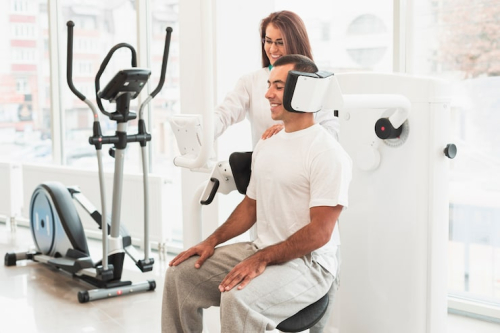
Physical therapy clinics face a persistent challenge: keeping patients engaged throughout their full course of treatment. Missed appointments, declining motivation, and administrative burdens often lead to premature dropouts that affect both patient outcomes and clinic sustainability. Artificial intelligence is emerging as a practical tool to address these issues by supporting more consistent engagement, reducing front desk overload, and enabling therapists to focus on what matters most building meaningful patient connections.
Top chiropractic practices lose patients due to inconsistent follow-ups, disrupting flow and stalling revenue. Take charge of your practice’s growth. TrackStat’s EHR-integrated automation and intelligent task prioritization streamline engagement, maximize retention, and keep schedules full without added stress. See how TrackStat empowers your team to retain patients and grow seamlessly. Schedule your risk-free demo today
Why Patient Retention Matters in Physical Therapy
Successful rehabilitation depends on continuity. Patients who stay engaged longer typically achieve stronger functional improvements and report higher satisfaction. Yet many clinics struggle with no-shows, late cancellations, and patients who lose momentum between visits. These gaps stem from scheduling friction, communication delays, and the heavy administrative load on front desk teams.
Clinics that reduce these barriers often see steadier schedules and better provider utilization. AI tools can help by automating repetitive tasks, allowing staff to prioritize in-person care and proactive outreach. This shift from reactive management to consistent support strengthens patient relationships and supports long-term adherence.
Ai for Personalized Patient Engagement
Rehabilitation professionals increasingly see AI as a valuable partner in daily practice. Surveys of practitioners highlight optimism about AI’s potential to reduce administrative workloads while enhancing personalization.
Rehabilitation professionals, including physical therapists, increasingly recognize the transformative potential of artificial intelligence in enhancing daily practice and patient care delivery. Surveys of hundreds of practitioners reveal strong optimism, with the vast majority believing AI will become integrated into physical therapy workflows and significantly impact their roles by reducing administrative workloads and boosting productivity. This positive outlook stems from AI’s ability to support personalized treatment planning, real-time progress monitoring, and predictive insights that help prevent patient disengagement before it occurs. For clinics, adopting AI tools means more efficient resource allocation, as systems can automate routine tasks like movement analysis or appointment optimization, allowing therapists to dedicate greater attention to building meaningful patient connections that improve adherence and retention.
AI systems can analyze patterns in attendance, progress notes, and patient feedback (when properly de-identified and secured) to identify individuals who may need extra encouragement. Rather than waiting for a missed appointment, clinics can trigger gentle, timely reminders or adjusted check-ins that help patients feel supported. This proactive approach addresses common barriers such as transportation challenges or motivation dips, helping more patients stay on track.
The goal is not replacement of human care but augmentation giving therapists objective data and more time for motivational, hands-on interactions that build loyalty.
Automating Front Desk Workflows with AI Receptionists
One of the most immediate ways AI improves retention is by handling routine inbound calls and scheduling. A well-designed AI virtual receptionist answers calls 24/7, manages new patient intake after hours, and handles rescheduling requests according to the clinic’s own rules.
Jaz AI, for example, integrates directly with a clinic’s EHR/EMR system. It uses retrieval-augmented generation (RAG) on a limited, clinic-approved knowledge base so responses stay aligned with office protocols. The system identifies patients through secure methods, retains context from recent calls, and knows the patient’s last appointment details to provide relevant assistance.
If online cancellations are not permitted, it transfers the caller to a human team member. For after-hours calls, it clearly informs patients of office hours while offering convenient scheduling options. By managing up to 75% of routine inbound calls, these AI tools free front desk staff to focus on patients physically present in the clinic and more complex inquiries.
The result is fewer missed calls, more booked appointments, and reduced front desk workload directly supporting better patient retention.
Predictive Insights to Prevent Disengagement
In busy physical therapy clinics, identifying patients at risk of disengaging early can make the difference between a full treatment course and premature dropout, directly affecting both outcomes and financial health. Predictive analytics powered by machine learning examine patterns in attendance history, demographics, and engagement data to flag potential no-shows or lapses in adherence, giving staff the opportunity to intervene with personalized outreach or schedule adjustments. This operational intelligence complements clinical tools like AI-enhanced remote monitoring and computer vision for movement assessment, creating a comprehensive system that supports patients continuously while optimizing clinic workflows. By reducing documentation fatigue through ambient scribes and providing objective data for progress discussions, these technologies free therapists to focus on motivational, hands-on care that strengthens patient loyalty.
Predictive analytics powered by AI examine patterns in attendance history and engagement data to flag potential drop-off risks early. This gives clinics the opportunity to intervene with personalized outreach or schedule adjustments before a patient disengages.
Combined with remote monitoring capabilities, AI helps maintain momentum between visits. Ambient documentation tools reduce charting time, while objective movement analysis provides therapists with clear progress data to discuss with patients reinforcing the value of continued care.
Clinics using these approaches often report steadier patient flow and lower revenue loss from incomplete treatment episodes. Staff also experience less burnout, which contributes to higher care consistency and better patient perceptions of the practice.
Integrating AI with Existing EHR Systems
Effective AI solutions work alongside the systems clinics already use. TrackStat and Jaz AI connect with major platforms such as Prompt EMR (widely used by physical therapists) and ChiroTouch, turning EHR data into actionable automation while maintaining strict privacy controls.
This integration supports seamless workflows from automated recalls and reactivations to coordinated scheduling. Practices that bridge marketing tools like HighLevel CRM with their EHR see improved alignment between lead generation and actual appointment booking, closing gaps that previously caused lost opportunities.
For physical therapy clinics specifically, these connections help address unique operational needs around patient reactivation and front desk automation.
HIPAA Compliance and Secure AI Implementation
The Health Insurance Portability and Accountability Act (HIPAA) establishes national standards for protecting patient’s Protected Health Information (PHI). It includes the Privacy Rule (governing use and disclosure of PHI), the Security Rule (requiring administrative, physical, and technical safeguards), and the Breach Notification Rule (mandating timely reporting of breaches).
When evaluating AI tools for patient communication and scheduling, clinics should verify that vendors provide signed Business Associate Agreements (BAAs), encryption, audit logs, and other safeguards. Features like multi-factor authentication (MFA) on systems accessing PHI, regular risk assessments, and staff training are essential best practices.
AI receptionists and automation platforms must be configured to handle PHI securely and never serve as a substitute for proper compliance audits or dedicated compliance officers. This is not legal advice practices should consult qualified legal and compliance professionals to ensure their specific workflows meet all regulatory requirements.
By choosing solutions designed with HIPAA considerations in mind, clinics can adopt AI confidently while maintaining patient trust.
Getting Started with AI for Better Retention
Successful adoption begins with understanding your clinic’s specific bottlenecks. Start by mapping current front desk workflows, missed call patterns, and common reasons for patient drop-off. Many practices benefit from beginning with scheduling automation and secure patient communication tools before expanding to more advanced predictive features.
Look for solutions built specifically for chiropractic and physical therapy operations by teams who understand real clinic challenges. Training staff on new tools and establishing clear policies for AI-assisted workflows help ensure smooth integration.
Over time, these technologies support higher retention by reducing administrative friction, enabling proactive engagement, and letting therapists spend more time delivering high-quality care.
Physical therapy clinics that thoughtfully implement AI often discover that the biggest gains come not from flashy technology itself, but from the human connections it helps preserve. Patients who feel consistently supported throughout their recovery journey are far more likely to complete their care plans and recommend the practice to others.
As AI continues to evolve in rehabilitation settings, clinics that embrace it as a strategic partner position themselves to deliver better outcomes while building more resilient, efficient operations.
Frequently Asked Questions
How does AI help physical therapy clinics improve patient retention?
AI helps physical therapy clinics improve patient retention by automating routine tasks like scheduling and reminders, reducing no-shows and administrative burdens on staff. Tools like predictive analytics identify at-risk patients early for proactive outreach, while AI receptionists handle calls 24/7 to keep schedules full. This allows therapists to focus on building meaningful patient connections and delivering high-quality care, leading to better adherence and outcomes.
What is Jaz AI and how does it support physical therapy clinic operations?
Jaz AI is an intelligent virtual receptionist that integrates with EHR systems like Prompt EMR to answer calls, schedule appointments according to clinic rules, and manage rescheduling requests. It identifies patients securely, remembers call context and recent appointments, transfers complex issues to human staff, and handles emergencies appropriately while avoiding insurance explanation details. This automation manages up to 75% of routine inbound calls, freeing front desk teams to focus on in-person patient support and boosting overall retention.
Is AI technology in physical therapy clinics HIPAA compliant?
Yes, reputable AI tools for physical therapy clinics, such as those with signed Business Associate Agreements, use encryption, audit logs, and secure protocols to protect Protected Health Information (PHI). HIPAA includes the Privacy Rule for use and disclosure of PHI, the Security Rule for safeguards, and the Breach Notification Rule for reporting incidents. Always verify vendor compliance and consult legal professionals, as this information is educational and not legal advice.
Disclaimer: The above helpful resources content contains personal opinions and experiences. The information provided is for general knowledge and does not constitute professional advice.
You may also be interested in: How Data-driven Decision Making Can Transform Your Chiropractic Practice
Top chiropractic practices lose patients due to inconsistent follow-ups, disrupting flow and stalling revenue. Take charge of your practice’s growth. TrackStat’s EHR-integrated automation and intelligent task prioritization streamline engagement, maximize retention, and keep schedules full without added stress. See how TrackStat empowers your team to retain patients and grow seamlessly. Schedule your risk-free demo today
Powered by flareAI.co
