
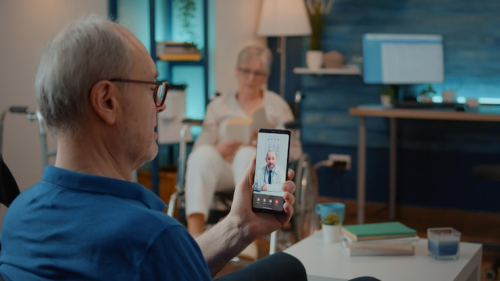
Missing a new patient call can mean losing an opportunity before a conversation ever begins. For many healthcare practices, phone calls remain one of the first interactions a potential patient has with the office, but front-desk teams often balance calls with check-ins, scheduling tasks, documentation, and in-office patient needs. Artificial intelligence (AI) is changing how clinics approach this challenge by helping teams respond faster, manage routine conversations, and create a smoother patient intake experience without replacing the human relationships that define quality care.
Top chiropractic practices lose patients due to inconsistent follow-ups, disrupting flow and stalling revenue. Take charge of your practice’s growth. TrackStat’s EHR-integrated automation and intelligent task prioritization streamline engagement, maximize retention, and keep schedules full without added stress. See how TrackStat empowers your team to retain patients and grow seamlessly. Schedule your risk-free demo today
Why Missed Patient Calls Are an Operational Challenge for Clinics
Every unanswered call represents a possible interruption in the patient journey. A person searching for care may be calling for a first appointment, asking about scheduling options, or trying to understand basic office processes. When the call is missed, the practice may have to rely on callbacks, voicemail management, or manual follow-up processes that compete with other administrative responsibilities.
For chiropractic and physical therapy clinics, this challenge can be especially noticeable because front-office teams often manage multiple workflows at once. Staff members may be assisting patients in the office while also answering phones, coordinating schedules, and supporting providers. The result is that important conversations can become delayed or difficult to manage consistently.
AI for healthcare patient calls focuses on improving this first point of contact. Instead of treating phone management as a separate task, AI tools can become part of a broader workflow that helps clinics capture inquiries, organize information, and direct conversations appropriately.
Research into healthcare AI receptionist systems highlights how phone accessibility can affect patient experience. One report on AI phone systems in clinical environments noted that many patient calls reached voicemail because front-desk teams were occupied with other responsibilities. AI phone systems are being explored as a way to create more consistent access while allowing staff to focus on higher-value interactions.
How AI Receptionist Technology Changes Patient Communication
An AI receptionist for healthcare is designed to handle common communication tasks that traditionally require significant staff time. Rather than functioning as a simple answering service, an AI-powered system can help manage conversations, collect necessary information, and support scheduling workflows based on the rules established by the clinic.
For chiropractic and physical therapy practices, this can include answering common questions, assisting with appointment requests, supporting rescheduling workflows, and helping direct more complex requests to the appropriate team member.
Supporting the Front Desk Without Replacing the Human Connection
The goal of healthcare call automation is not to remove the importance of clinic staff. Front-office teams provide valuable communication, empathy, and problem-solving that patients often need. AI can help reduce repetitive administrative tasks so employees have more time to focus on patients who are physically present or require personal assistance.
A virtual receptionist can act as an additional layer of support by handling routine conversations while allowing staff to concentrate on responsibilities that require human judgement. When a request falls outside the system’s approved capabilities, the conversation can be directed to a team member according to the clinic’s workflow preferences.
This approach is particularly useful for practices experiencing front-desk overload. Instead of forcing staff to choose between answering every call and supporting patients in the office, AI can help create a more balanced workflow.
Why EHR-connected AI Creates More Useful Automation
Standalone communication tools often create another disconnected system for staff to manage. Healthcare practices increasingly need technology that fits into existing workflows rather than adding more administrative complexity.
An EHR-integrated AI receptionist can help connect patient communication with scheduling processes and practice operations. TrackStat’s approach focuses on using automation to support clinics by connecting patient engagement activities with operational workflows.
For an AI system to support healthcare environments responsibly, practices should evaluate how technology handles sensitive information. HIPAA, the Health Insurance Portability and Accountability Act, establishes standards designed to protect Protected Health Information (PHI). Any technology that interacts with patient information should be reviewed carefully for appropriate safeguards, privacy practices, and contractual requirements.
- Minimum Necessary Standard: Access to PHI should be limited to information needed for a specific task.
- Security protections: Administrative, physical, and technical safeguards should be evaluated when selecting technology.
- Vendor responsibilities: Practices should confirm whether vendors require Business Associate Agreements (BAAs) and maintain appropriate safeguards before handling PHI.
- Ongoing oversight: Employee training, written privacy policies, risk assessments, and periodic audits remain essential parts of healthcare compliance.
Compliance decisions depend on each organization’s specific circumstances. This information is educational only and is not legal advice. Practices should consult qualified legal or compliance professionals when evaluating healthcare technology requirements.
How AI Patient Call Management Helps Clinics Capture Opportunities
AI patient call management is valuable because it helps practices respond consistently when potential patients reach out. A caller does not always contact a clinic during business hours, and delays in communication can create unnecessary friction.
A well-designed AI receptionist can support after-hours conversations, answer approved frequently asked questions, and assist with scheduling according to office rules. For example, if a clinic does not allow online cancellations, the system can follow that workflow and route the caller to a staff member instead of creating an unsupported action.
Modern AI systems can also use a controlled knowledge base, sometimes called retrieval-augmented generation (RAG), to provide responses based only on approved information. This helps prevent the system from creating answers that do not align with the clinic’s policies or communication standards.
For practices, the benefit is not simply answering more calls. The larger opportunity is creating a reliable process for turning patient interest into appropriate next steps. Better communication workflows can support appointment scheduling, reduce administrative bottlenecks, and help staff focus on patients already receiving care.
Reducing Front-desk Workload with Smarter Automation
Administrative pressure is one of the biggest reasons healthcare organizations explore artificial intelligence for medical practices. Many teams are not looking for technology because they want fewer human interactions. They are looking for ways to remove repetitive tasks that prevent employees from focusing on more meaningful work.
- Managing routine inbound questions
- Helping coordinate appointment scheduling workflows
- Reducing repetitive phone tasks
- Supporting patient communication consistency
- Giving staff more time for complex conversations
External examples show that AI receptionist technology is being tested as a way to improve phone accessibility and reduce administrative burden. One healthcare technology report described AI voice agents that answered inbound calls, supported scheduling activities, and helped route more complex requests to human teams. AI receptionist technology is becoming part of broader conversations about operational efficiency in healthcare.
For chiropractic and physical therapy clinics, the practical question is not whether AI can handle every interaction. The better question is which tasks should be automated so staff can spend more time where their expertise matters most.
What Clinics Should Consider Before Adopting AI Communication Tools
Choosing an AI receptionist requires more than evaluating features. Healthcare practices should consider how the technology fits into their existing workflows, communication standards, and privacy responsibilities.
- Does the system follow the clinic’s scheduling rules and preferences?
- Can staff control the information provided to patients?
- How does the technology handle sensitive patient information?
- What security measures, agreements, and documentation are available?
- How does the system escalate situations that require human involvement?
Practices should also remember that AI is a tool, not a replacement for compliance programs or professional oversight. Healthcare teams still need trained employees, documented procedures, regular reviews, and appropriate safeguards to protect patient information.
The Future of Patient Access Is Built Around Better Workflows
Patients expect convenient communication, and clinics need systems that help teams manage increasing operational demands. AI offers a way to strengthen the connection between patient inquiries and practice workflows by helping ensure important conversations receive timely attention.
For chiropractic and physical therapy practices, an AI receptionist can serve as an operational support layer that helps reduce missed calls, improve scheduling efficiency, and give front-office teams more capacity. The most effective solutions are not designed to replace people; they are designed to help healthcare teams work more effectively.
As clinics continue adopting healthcare technology, the focus will increasingly move toward practical automation that supports better patient experiences, stronger workflows, and more efficient daily operations. The ability to never miss a new patient call again starts with creating communication systems that are reliable, responsive, and aligned with how the practice actually operates.
Frequently Asked Questions
How can AI help healthcare practices avoid missing new patient calls?
AI for healthcare patient calls can help practices respond to incoming inquiries, manage routine conversations, and support a smoother patient intake process. An AI receptionist can provide consistent call handling, assist with scheduling workflows, and help reduce missed opportunities when staff members are busy.
What is an AI receptionist for healthcare and how does it support clinic workflows?
An AI receptionist for healthcare acts as a virtual front desk assistant that can answer common patient questions, support appointment scheduling based on office rules, and transfer requests to human staff when needed. It can help chiropractic and physical therapy clinics reduce front-desk workload while allowing teams to focus on patients who need personal attention.
How does AI patient call management protect patient information and support HIPAA requirements?
AI patient call management solutions should be evaluated for privacy safeguards when handling Protected Health Information (PHI). HIPAA, the Health Insurance Portability and Accountability Act, includes requirements related to privacy, security, and breach notification, and healthcare practices should review technology safeguards with qualified compliance professionals because this information is not legal advice.
Disclaimer: The above helpful resources content contains personal opinions and experiences. The information provided is for general knowledge and does not constitute professional advice.
You may also be interested in: Why Tracking Patient Progress is Essential for Chiropractic Treatment Plans
Top chiropractic practices lose patients due to inconsistent follow-ups, disrupting flow and stalling revenue. Take charge of your practice’s growth. TrackStat’s EHR-integrated automation and intelligent task prioritization streamline engagement, maximize retention, and keep schedules full without added stress. See how TrackStat empowers your team to retain patients and grow seamlessly. Schedule your risk-free demo today
Powered by flareAI.co
