
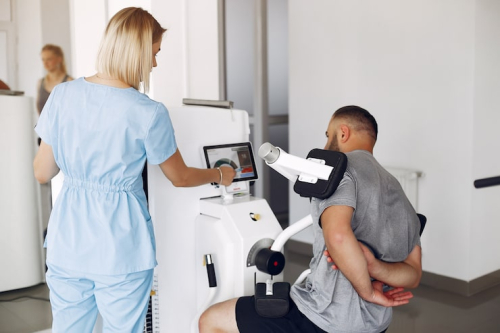
In bustling chiropractic clinics across states like Tennessee, Florida, North Carolina, Texas, Georgia, California, and beyond, one persistent challenge rises above the daily rhythm of adjustments and appointments: keeping patients engaged with their recommended care plans. High-volume practices often watch hard-earned progress fade as patients drift away unnoticed amid busy schedules and competing demands. Many clinic leaders now carefully evaluate whether targeted automation in patient follow-up processes can relieve that pressure while preserving the personal, hands-on care that builds lasting trust.
Chiropractors managing over 100 patient visits per week understand the real stakes involved. Missed follow-ups interrupt recovery, limit long-term wellness gains, and allow potential revenue to slip quietly away. Manual tracking, while familiar, consumes precious staff time that could otherwise support direct patient care. Thoughtful automation offers a practical bridge identifying off-track patients early, enabling timely and appropriate outreach, and directing team attention to the highest-priority tasks so everyone can focus more fully on helping people achieve better health outcomes.
Top chiropractic practices lose patients due to inconsistent follow-ups, disrupting flow and stalling revenue. Take charge of your practice’s growth. TrackStat’s EHR-integrated automation and intelligent task prioritization streamline engagement, maximize retention, and keep schedules full without added stress. See how TrackStat empowers your team to retain patients and grow seamlessly. Schedule your risk-free demo today
The Growing Demand for Efficient Patient Management
Chiropractic practices operate today in an increasingly competitive environment where patients expect more than short-term pain relief. Many seek sustained wellness support that improves mobility, reduces recurrence of issues, and enhances overall quality of life. Practices that successfully guide new patients into consistent long-term care typically experience stronger clinical results and more stable growth. Without dependable systems in place, however, even the most dedicated teams find it difficult to maintain consistent communication and monitor progress across large, active patient populations.
Front-office staff already balance phone calls, scheduling, insurance questions, and daily reminders while doctors concentrate on clinical work. When patients begin to fall away from recommended plans sometimes after feeling initial improvement practices lose valuable momentum. Opportunities for gentle, internal reinforcement of care go unrealized. Automation enters this picture not as a replacement for human connection but as a supportive layer that manages routine elements and highlights meaningful insights for the team.
What Automation in Patient Follow-Up Actually Involves
In practical terms, automation here refers to specialized software that integrates directly with a practice’s existing electronic health record (EHR) system. It continuously monitors patient activity, tracks adherence to individualized care plans, spots those beginning to veer off course, and streamlines engagement activities such as appointment requests or review collection. The underlying purpose stays straightforward: reduce the chance of patients falling through the cracks and give busy professionals more time for high-value clinical work.
Effective systems move beyond generic reminder blasts. They analyze real patterns in patient behavior and provide clear guidance to staff on essential next steps. A dashboard might flag a patient ready for a progress evaluation or suggest a timely, personalized check-in based on visit history. This activity-driven design helps teams multitask more effectively amid phone calls, in-office visits, and other responsibilities, resulting in smoother daily workflows and sharper visibility into immediate priorities.
Key Benefits for High-Volume Chiropractic Practices
Practices handling substantial weekly patient volumes stand to gain the most when automation takes over repetitive administrative burdens. Team members receive unambiguous direction on whom to reach and the best reasons for doing so, which sharply reduces guesswork and wasted effort. Communication between staff and patients becomes more coordinated and consistent, fostering a smoother overall experience.
Picture a typical scenario: A patient finishes an initial course of care for musculoskeletal discomfort but then misses subsequent wellness visits. Automated tracking detects the developing gap early, enabling a warm, timely re-engagement before the lapse grows wider. Over repeated cycles, more new patients successfully transition into ongoing wellness programs. This strengthens retention rates and supports practice stability without requiring additional external advertising investment.
Other practical advantages include:
- Clearer patient statistics and financial visibility that inform better management decisions
- Identification of previously hidden revenue opportunities through consistent, proactive follow-up
- More reliably filled schedules thanks to streamlined appointment setting
- Stronger internal marketing that deepens patient relationships and encourages loyalty
Leading platforms handle review collection, appointment coordination, and patient tracking within a single, effortless workflow all while integrating cleanly with current EHR environments. The overall feel remains natural rather than mechanical.
Real-World Considerations Across Diverse Clinics
Clinics serving varied communities in regions such as Illinois, Minnesota, Michigan, Maryland, Pennsylvania, and South Carolina routinely navigate diverse patient needs, insurance requirements, and operational complexities. Larger or multi-location operations face even greater coordination demands. Automation helps standardize essential processes across sites without diminishing the personalized attention that patients expect and value.
Many practices prioritize root-cause analysis and holistic wellness principles. Tools that maintain treatment continuity while respecting these philosophies integrate especially well. Clinical teams often appreciate systems that intelligently prioritize daily tasks, freeing doctors and staff to concentrate on adjustments, patient education, and meaningful interactions even during the busiest periods.
Addressing Common Concerns About Adopting Automation
Price frequently surfaces as a primary objection. Clinic owners and administrators naturally question whether the investment will deliver measurable returns, particularly when operating budgets already feel constrained. Experience shows that many practices recover costs through fewer missed appointments, improved retention, and staff time reclaimed for revenue-generating activities. Success depends on selecting solutions built specifically for chiropractic workflows rather than forcing generic tools to fit.
Another valid concern centers on maintaining the essential human element of care. Patients should never feel reduced to data points or handled impersonally. Well-designed automation operates discreetly in the background, equipping staff with timely insights while ensuring all direct outreach stays warm, professional, and individualized. It augments rather than supplants the caring relationships that drive long-term loyalty.
Questions about technical integration and staff adoption also arise regularly. Contemporary platforms are engineered to work alongside established EHR systems with minimal disruption. Focused training emphasizes practical, day-to-day use, allowing teams to incorporate new capabilities gradually and confidently.
Strengthening Patient Retention with Intelligent Tracking
Patient retention sits at the heart of what makes automation valuable in chiropractic settings. High-performing practitioners strive to move patients beyond acute symptom management into sustainable wellness lifestyles. Systems that monitor progress and trigger appropriate, timely follow-ups make this shift considerably smoother and more reliable. Patients receive the right support precisely when they need it whether a simple reminder, helpful educational information, or an easy path to rescheduling.
This method enhances communication flows without overloading already busy teams. Staff work from guided, prioritized workflows that let them complete critical tasks efficiently between other responsibilities. The cumulative effect appears in stronger patient relationships, higher completion rates for recommended care plans, and more consistent clinical results across the practice.
The Role of Analytics in Sustainable Practice Growth
Beyond individual patient follow-ups, automation delivers valuable practice-wide insights. Leaders obtain clearer visibility into operational trends, empowering more informed decisions supported by practical statistics and financial perspectives. This data-informed foundation helps grow the business sustainably, frequently through strengthened internal channels rather than reliance on costly external marketing.
The chiropractic field continues to attract attention as demand grows for non-invasive, wellness-oriented care options. Market analyses indicate substantial interest in tools that help practices deliver efficient, patient-centered services while making better use of existing resources. One recent assessment placed the U.S. chiropractic market at a notable scale in recent years, reflecting broader acceptance of these services among patients and professionals alike. Rather than focusing on distant projections, the emphasis stays on immediate, real-world impact: helping busy clinics retain more patients, operate more efficiently, and support better health outcomes.
Moving Forward with Balanced Automation Strategies
Chiropractic practices evaluating automation for patient follow-up processes ultimately face a pragmatic decision. They can persist with manual methods that increasingly strain limited staff resources, or they can implement targeted tools that sharpen focus, improve outcomes, and support measurable growth. Platforms such as TrackStat illustrate how seamless EHR integration, intelligent task prioritization, and unified engagement capabilities can meaningfully transform daily operations.
For clinics dedicated to expanding while upholding high standards of care, the process often begins with a live demonstration tailored to their specific environment. Observing how automation aligns with real workflows helps clarify its potential value. In the final analysis, the strongest practices combine advanced technology with enduring human insight leveraging systems to manage routines so that doctors and staff can devote their energy fully to healing and patient support.
As expectations for convenient yet consistent care continue to evolve, practices that adopt thoughtful automation position themselves for long-term success . The central question shifts from whether such tools belong in modern chiropractic care to how they can be implemented most effectively to benefit both patients and the dedicated teams serving them.
Frequently Asked Questions
How does automation improve patient retention in chiropractic practices?
Automation improves patient retention by continuously monitoring care plan adherence and flagging patients who begin missing visits before the gap widens. When a lapse is detected early, staff can send warm, timely re-engagement outreach tailored to that patient’s visit history. Over time, this helps more patients transition from acute care into long-term wellness programs, reducing dropout rates without requiring additional advertising spend.
Will automating patient follow-up make chiropractic care feel less personal?
No well-designed automation works discreetly in the background, giving staff timely insights while ensuring all direct outreach remains warm, professional, and individualized. The goal is to augment human connection, not replace it; staff still handle every meaningful interaction, but with better information and clearer priorities. Patients receive the right support at the right moment without ever feeling like a data point.
What should high-volume chiropractic clinics look for in a patient follow-up automation platform?
High-volume clinics should prioritize platforms that integrate directly with their existing EHR system and offer intelligent, activity-driven task prioritization rather than generic reminder blasts. The best solutions consolidate appointment coordination, review collection, and patient tracking into a single workflow, reducing staff guesswork. Look for tools built specifically for chiropractic workflows generic CRM software often lacks the clinical context needed to support nuanced care plan management.
Disclaimer: The above helpful resources content contains personal opinions and experiences. The information provided is for general knowledge and does not constitute professional advice.
You may also be interested in: The Intersection of Automation and Personalized Patient Care
Top chiropractic practices lose patients due to inconsistent follow-ups, disrupting flow and stalling revenue. Take charge of your practice’s growth. TrackStat’s EHR-integrated automation and intelligent task prioritization streamline engagement, maximize retention, and keep schedules full without added stress. See how TrackStat empowers your team to retain patients and grow seamlessly. Schedule your risk-free demo today
Powered by flareAI.co
