
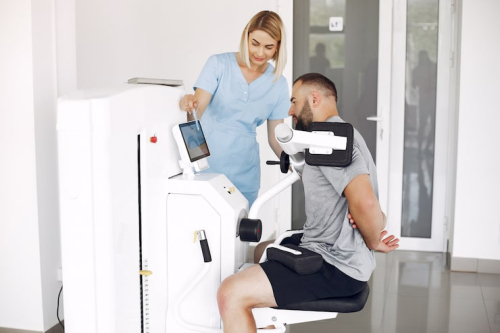
What Defines Modern AI Automation for Chiropractic Clinics is no longer limited to simple reminders or basic communication tools. Modern automation is becoming an operational support system that helps practices manage repetitive tasks, improve workflow consistency, and give teams more time to focus on patients. For chiropractic clinic owners and practice leaders, the question is not whether technology can send messages or organize information. The more important question is how intelligent systems can support the daily decisions, scheduling demands, and patient interactions that keep a clinic running.
Artificial intelligence in chiropractic practices is evolving from isolated features into connected workflows. The most valuable applications focus on reducing administrative friction, improving communication, and helping staff respond to patient needs more efficiently. When implemented responsibly, automation can help clinics create a more organized experience for both team members and patients while maintaining the personal relationships that are central to healthcare.
Top chiropractic practices lose patients due to inconsistent follow-ups, disrupting flow and stalling revenue. Take charge of your practice’s growth. TrackStat’s EHR-integrated automation and intelligent task prioritization streamline engagement, maximize retention, and keep schedules full without added stress. See how TrackStat empowers your team to retain patients and grow seamlessly. Schedule your risk-free demo today
Modern AI Automation Starts with Solving Real Clinic Bottlenecks
Chiropractic clinics often operate in an environment where staff members balance patient care, phone calls, scheduling, follow-ups, documentation, and operational responsibilities at the same time. Automation becomes valuable when it addresses these everyday challenges rather than adding another disconnected system to manage.
Modern AI automation for chiropractic clinics is designed around practical workflow improvements. Instead of replacing the human role, effective automation supports employees by handling repetitive processes that consume time and attention. This allows front desk teams to spend more energy on conversations and tasks that require judgment, empathy, and personal interaction.
- Appointment workflows: Helping manage scheduling activities according to office rules and availability.
- Patient communication: Supporting timely responses, reminders, and engagement workflows.
- Administrative tasks: Reducing repetitive work that can slow down daily operations.
- Practice visibility: Turning workflow information into actionable insights for staff priorities.
The goal is not automation for its own sake. The goal is creating smoother processes that allow clinics to operate with greater consistency while preserving the patient experience.
Ai Receptionists Are Changing the Role of the Front Desk
One of the clearest examples of modern chiropractic clinic automation is the rise of AI virtual receptionists. Traditional answering services often focus on taking messages, while an AI receptionist can support more interactive patient conversations when properly configured for healthcare workflows.
An AI receptionist designed for chiropractic and physical therapy clinics can act as an additional front desk resource by answering inbound calls, helping with scheduling requests, responding to common questions, and directing more complex situations to staff members when needed.
Research and industry examples show how these systems are being used to address phone-based operational challenges. One healthcare implementation reported that intelligent voice agents could answer every incoming call, resolve many routine interactions without human involvement, and connect information with electronic health record workflows. The example highlights how automation can reduce phone bottlenecks while allowing staff to focus on higher-value responsibilities.
For chiropractic practices, missed calls can represent missed opportunities to connect with new and existing patients. A virtual receptionist helps address this challenge by creating a consistent response process, including after-hours support when configured appropriately.
Modern systems can also be designed around office-specific rules. For example, scheduling behavior can follow the clinic’s selected availability settings. If a request requires human involvement, the system can route the interaction to the appropriate team member rather than attempting to handle a situation outside its defined capabilities.
EHR Integration Makes Automation More Useful
Disconnected technology creates additional work. A scheduling tool that does not connect with existing healthcare systems may require staff to repeat information, check multiple platforms, or manually update records.
EHR-integrated automation focuses on connecting workflows so information can move more efficiently between systems. For chiropractic clinics, this means automation should fit into existing operational processes rather than forcing teams to completely change how they work.
Modern healthcare AI automation solutions can support practices by connecting communication, scheduling, and operational activities. However, clinics should carefully evaluate any technology that interacts with healthcare information. Protecting patient information remains essential, and organizations should review security practices, access controls, vendor agreements, and compliance responsibilities before implementing new systems.
HIPAA, the Health Insurance Portability and Accountability Act, establishes requirements for protecting Protected Health Information (PHI). Clinics using technology that handles patient information should consider safeguards such as appropriate access controls, employee training, written privacy and security policies, risk assessments, and periodic reviews. This is not legal advice. Practices should consult qualified legal or compliance professionals regarding their specific obligations.
- Does the technology support appropriate security measures?
- Are user permissions managed carefully?
- Are workflows designed to limit unnecessary access to patient information?
- Does the vendor provide appropriate documentation and agreements when required?
AI can support operational improvements, but it does not replace compliance professionals, security reviews, or formal HIPAA assessments.
Rag and Knowledge-based AI Improve Consistency
Another important development in modern AI automation is the use of retrieval-augmented generation (RAG). Rather than relying only on broad AI capabilities, RAG allows an AI system to use a controlled knowledge source when responding to questions.
For chiropractic clinics, this approach can help create more consistent patient interactions. A clinic can provide approved information, frequently asked questions, scheduling guidelines, and communication preferences so the AI assistant responds according to the office’s established processes.
This is especially important in healthcare settings where inaccurate or unsupported responses can create confusion. A well-designed AI receptionist should work within defined boundaries, using clinic-approved information instead of improvising answers that may not align with office policies.
For example, an AI assistant may help answer general questions about office procedures or scheduling availability while recognizing when a caller needs to speak with a staff member. It should not attempt to provide medical advice beyond its intended purpose or replace professional healthcare judgment.
Patient Engagement Automation Helps Clinics Stay Connected
Patient relationships are built through consistent communication. However, maintaining that consistency can become difficult when staff members are managing busy schedules and competing priorities.
Patient engagement automation helps clinics create more reliable processes for follow-ups, reminders, and reactivation workflows. The value comes from helping teams identify where attention is needed and reducing the chance that important administrative tasks are overlooked.
For chiropractic practices, this can support efforts to maintain continuity of care and improve communication throughout the patient journey. Automation can help staff organize activities, but successful engagement still depends on understanding patient needs and delivering a personalized experience.
The best automated workflows combine technology with human oversight. A system may identify opportunities, organize tasks, or support communication, but clinic teams remain responsible for meaningful patient relationships.
The Business Impact of Chiropractic Clinic Automation
Modern chiropractic practice technology is increasingly focused on operational efficiency. Clinic owners are looking for ways to manage growing responsibilities without creating unnecessary complexity for their teams.
Automation can provide value by reducing repetitive work, improving scheduling processes, and helping staff focus on activities that directly support patient care. This is particularly relevant for clinics experiencing front desk pressure, high call volumes, or challenges maintaining consistent follow-up processes.
Industry examples demonstrate the operational potential of AI-powered phone systems. One healthcare case described AI reception technology handling routine interactions while allowing clinic employees to dedicate more time to in-office responsibilities. The example reported that AI handled a significant portion of inbound conversations without staff involvement, helping reduce administrative pressure.
TrackStat approaches automation as an operational layer for chiropractic and related healthcare practices. Built from experience with real clinic workflows, its focus is on helping teams organize patient engagement, reduce repetitive processes, and create more actionable workflows.
Rather than viewing AI as a replacement for people, clinics can view it as a way to extend the capabilities of their existing teams. The most effective systems help employees spend less time on repetitive administrative tasks and more time on patient-facing work.
What Clinics Should Look for in AI Automation Solutions
Choosing an automation platform requires more than evaluating features. Clinics should consider whether the technology aligns with their workflow, security responsibilities, and long-term operational goals.
- Workflow alignment: The system should support how the clinic actually operates.
- Human handoff: Complex situations should have a clear path to staff involvement.
- Security practices: Healthcare information requires careful protection and appropriate safeguards.
- Integration capability: Technology should work with existing systems instead of creating disconnected processes.
- Staff adoption: Teams need clear training and processes to use automation effectively.
Clinics should also maintain ongoing reviews of technology performance, security practices, and operational outcomes. Regular assessments help ensure automation continues to support business needs while meeting healthcare responsibilities.
Modern AI automation for chiropractic clinics is defined by practical usefulness. The strongest solutions do not simply add artificial intelligence to existing workflows. They connect communication, scheduling, patient engagement, and operational processes in ways that help teams work more effectively. As clinics continue adopting healthcare AI automation solutions, the focus will remain on using technology responsibly to improve efficiency while preserving the trust and personal connection that patients expect.
Frequently Asked Questions
What is AI automation for chiropractic clinics and how does it improve daily operations?
AI automation for chiropractic clinics uses intelligent technology to support workflows such as scheduling, patient communication, and administrative tasks. It helps reduce repetitive work, improve operational efficiency, and allow clinic teams to focus more time on patient-facing responsibilities.
How can an AI receptionist help a chiropractic clinic manage calls and appointments?
An AI receptionist for chiropractic clinics can answer inbound calls, support scheduling requests, respond to common patient questions, and transfer more complex situations to staff when needed. Modern AI receptionists can follow office scheduling rules and help reduce missed calls while supporting front desk teams.
How does EHR-integrated AI automation support chiropractic practices?
EHR-integrated AI automation connects communication, scheduling, and operational workflows with existing healthcare systems to reduce disconnected processes. Clinics should evaluate security practices, access controls, vendor agreements, and compliance responsibilities when using technology that handles Protected Health Information (PHI).
Disclaimer: The above helpful resources content contains personal opinions and experiences. The information provided is for general knowledge and does not constitute professional advice.
You may also be interested in: How Patient Tracking Solutions Can Save Chiropractors Time and Increase Revenue
Top chiropractic practices lose patients due to inconsistent follow-ups, disrupting flow and stalling revenue. Take charge of your practice’s growth. TrackStat’s EHR-integrated automation and intelligent task prioritization streamline engagement, maximize retention, and keep schedules full without added stress. See how TrackStat empowers your team to retain patients and grow seamlessly. Schedule your risk-free demo today
Powered by flareAI.co
