
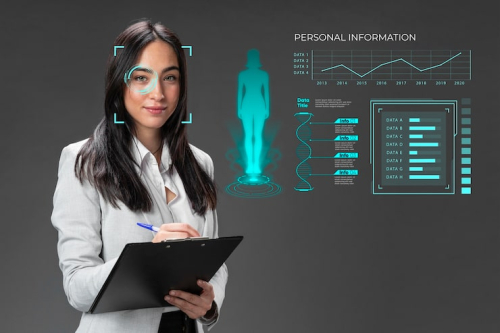
In a thriving chiropractic clinic in Nashville, Tennessee, a practitioner reviews a digital dashboard showcasing patient visit trends, treatment success rates, and scheduling insights. This isn’t merely a data display it’s a powerful tool for enhancing care delivery through patient analytics. As the demand for non-invasive treatments surges across the United States, platforms like Trackstat are revolutionizing chiropractic practices, driving better patient outcomes and operational efficiency. With musculoskeletal disorders increasingly prevalent in states like Florida and California, data-driven strategies are becoming indispensable for modern chiropractic care.
Top chiropractic practices lose patients due to inconsistent follow-ups, disrupting flow and stalling revenue. Take charge of your practice’s growth. TrackStat‘s EHR-integrated automation and intelligent task prioritization streamline engagement, maximize retention, and keep schedules full without added stress. See how TrackStat empowers your team to retain patients and grow seamlessly. Schedule your risk-free demo today
The Power of Patient Analytics in Chiropractic Care
The chiropractic care market is experiencing remarkable growth. A Mordor Intelligence report projects the market to reach USD 1.73 billion in 2025, climbing to USD 3.05 billion by 2030, with an impressive 11.93% compound annual growth rate (CAGR). North America, led by states such as Texas, Georgia, and California, commands a 42.23% revenue share in 2024, while the Asia-Pacific region is poised for the fastest growth at a 13.96% CAGR. This expansion is driven by a rising preference for non-invasive, drug-free solutions for conditions like lower back pain, which affects millions annually.
Patient analytics, seamlessly integrated into tools like Trackstat, empower chiropractors to capitalize on this demand. By leveraging data on patient demographics, treatment effectiveness, and appointment patterns, clinics can customize care plans and optimize resources. In North Carolina, for example, practices using analytics have boosted patient retention by identifying individuals at risk of missing follow-up visits, a critical factor in a state with a high incidence of chronic pain conditions. This data-driven approach enhances clinical outcomes and strengthens practice sustainability.
Emerging Trends Shaping Chiropractic Analytics
Chiropractic practices in states like Illinois, Maryland, and South Carolina are increasingly adopting advanced technologies to maintain a competitive edge. A key trend is the integration of electronic health records (EHRs) with predictive analytics, as highlighted in a Coherent Market Insights report. The global healthcare analytics market, valued at USD 46.12 billion in 2025, is expected to grow at a 21.2% CAGR, with chiropractic software playing a significant role. In Florida, clinics are using these tools to forecast patient no-shows, reducing revenue losses by up to 15%.
Personalized care plans are another transformative trend. In Minnesota, chiropractors rely on analytics to monitor treatment outcomes for patients with conditions like arthritis, adjusting interventions based on real-time insights. This approach aligns with evidence-based recommendations from the Cleveland Clinic Journal of Medicine, which advocates for non-invasive treatments as the primary approach for musculoskeletal conditions. Such practices underscore the chiropractic profession’s commitment to delivering tailored, effective care.
Real-World Impact of Analytics in Chiropractic Practices
In Georgia, a mid-sized chiropractic clinic adopted Trackstat’s analytics to enhance operational efficiency. By analyzing patient visit data, the practice identified high-demand appointment slots, enabling staff to streamline scheduling and cut wait times by 20%. Similarly, a Maryland clinic used analytics to detect patients with incomplete treatment plans, improving adherence rates by 10%. These cases demonstrate how data-driven strategies translate into measurable improvements in patient care and clinic performance.
In Texas, where regulations limit chiropractic procedures to 33 compared to Missouri’s 92, analytics enable clinics to operate efficiently within these constraints. By focusing on high-impact treatments like spinal manipulation, which accounts for over 45% of chiropractic revenue, practices maintain compliance while optimizing patient outcomes. In Pennsylvania, where proposed Medicare modernization could expand the scope of practice, analytics are poised to play a pivotal role in seizing new opportunities for data-informed care delivery.
Navigating Challenges in Analytics Adoption
While patient analytics offer significant benefits, adoption comes with challenges. Cost is a primary concern, particularly for small practices in rural areas of Michigan and Washington. As noted in Trackstat’s prospect objections file, upfront expenses can deter investment, despite the potential for long-term savings. Additionally, compliance with the Health Insurance Portability and Accountability Act (HIPAA) is critical. HIPAA, enacted to protect patient data, includes the Privacy Rule, Security Rule, and Breach Notification Rule, requiring platforms handling protected health information (PHI) to implement encryption, audit logs, and signed Business Associate Agreements (BAAs). According to the U.S. Department of Health and Human Services (HHS), non-compliance can result in substantial fines, with breaches requiring notification within 60 days.
Staff training is another hurdle. In California, clinics report that transitioning to analytics-driven workflows demands ongoing education to ensure accurate data interpretation. HHS guidelines emphasize the importance of robust training programs to prevent underutilization or misuse of analytics tools, which could compromise care quality. These challenges highlight the need for platforms like Trackstat to provide intuitive interfaces and comprehensive support to facilitate successful adoption. This guidance is educational and not legal advice; practices should consult compliance professionals to ensure adherence to HIPAA standards.
Unlocking Opportunities for Growth and Efficiency
The business benefits of patient analytics are transformative. In South Carolina, clinics using Trackstat have reported a 12% increase in patient satisfaction by tailoring communication strategies based on analytics insights. This aligns with the shift toward value-based care, where outcomes drive reimbursement models. In Tennessee, practices leveraging analytics to minimize unnecessary imaging a practice linked to higher healthcare costs, as noted in the Cleveland Clinic Journal have reduced expenses by 8%, enhancing profitability.
Analytics also enable scalability. In Illinois, a multi-clinic franchise utilized Trackstat to standardize care protocols across locations, ensuring consistency and attracting higher patient volumes. This mirrors industry trends, with franchises like The Joint Corp, operating over 950 locations nationwide, leveraging data-driven strategies to fuel growth. In competitive markets like Florida, analytics serve as a key differentiator, enabling practices to distinguish themselves in a crowded landscape and build patient loyalty.
Pioneering the Future of Chiropractic Care
Patient analytics are redefining the chiropractic industry, serving as the cornerstone of its evolution. From streamlining operations in Georgia to personalizing treatments in Minnesota, data-driven tools are empowering clinics to deliver superior care while navigating regulatory and financial complexities. However, challenges such as cost, HIPAA compliance, and staff training must be addressed to fully realize these benefits. For practices in states like Texas, North Carolina, and California, platforms like Trackstat provide a practical pathway to success, blending innovation with operational excellence.
The outlook for chiropractic care is promising. With the market set for significant growth, as forecasted by Mordor Intelligence, and healthcare analytics advancing rapidly, as per Coherent Market Insights, chiropractors who embrace data-driven strategies will lead the industry’s transformation. The future chiropractic clinic is not just a place of healing but a hub of insight, efficiency, and patient-centered care. For practitioners ready to embrace this shift, the data tells a compelling story one of opportunity, impact, and enduring change. This content is for educational purposes only and does not constitute legal advice; consult a compliance professional for specific guidance.
Frequently Asked Questions
How does patient analytics improve chiropractic care outcomes?
Patient analytics enhances chiropractic care by analyzing data such as treatment histories and health metrics to create personalized treatment plans. This data-driven approach helps chiropractors identify patterns, predict outcomes, and adjust therapies for better pain relief and mobility. By leveraging analytics, practitioners can improve patient satisfaction and achieve more consistent results.
What are the benefits of using patient analytics in chiropractic practice management?
Patient analytics streamlines chiropractic practice management by optimizing appointment scheduling, tracking patient progress, and identifying high-risk cases. It provides insights into operational efficiency, enabling chiropractors to reduce wait times and improve resource allocation. This leads to a more efficient practice and enhanced patient experiences.
Can patient analytics help chiropractors create personalized treatment plans?
Yes, patient analytics enables chiropractors to develop tailored treatment plans by analyzing individual patient data, such as symptoms, response to past treatments, and lifestyle factors. By understanding these unique patterns, chiropractors can customize adjustments and therapies to maximize effectiveness. This personalized approach improves recovery times and patient trust.
Disclaimer: The above helpful resources content contains personal opinions and experiences. The information provided is for general knowledge and does not constitute professional advice.
You may also be interested in: The Virtual Employee: Maximizing Chiropractic Practice Profits with AI Automation
Top chiropractic practices lose patients due to inconsistent follow-ups, disrupting flow and stalling revenue. Take charge of your practice’s growth. TrackStat‘s EHR-integrated automation and intelligent task prioritization streamline engagement, maximize retention, and keep schedules full without added stress. See how TrackStat empowers your team to retain patients and grow seamlessly. Schedule your risk-free demo today
Powered by flareAI.co
