
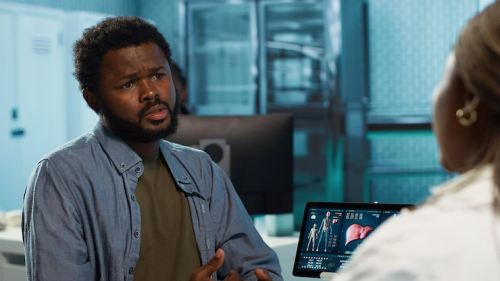
Healthcare providers across the United States are discovering that traditional patient interactions relying heavily on phone calls, manual scheduling, and paper reminders are increasingly unsustainable in today’s fast-paced environment. Practices in key states including Tennessee, Florida, North Carolina, Texas, Georgia, California, Washington, Illinois, Minnesota, Michigan, Maryland, Pennsylvania, and South Carolina are embracing automated patient communication strategies to boost engagement, minimize missed appointments, and allow clinical teams to focus on delivering exceptional care.
Top chiropractic practices lose patients due to inconsistent follow-ups, disrupting flow and stalling revenue. Take charge of your practice’s growth. TrackStat’s EHR-integrated automation and intelligent task prioritization streamline engagement, maximize retention, and keep schedules full without added stress. See how TrackStat empowers your team to retain patients and grow seamlessly. Schedule your risk-free demo today
The Rise of Automation in Patient Communication
For years, receptionists and administrative staff have shouldered the burden of constant phone calls and follow-up efforts. While these methods built personal connections, they also created bottlenecks, staff burnout, and gaps in patient outreach. Today, forward-thinking chiropractic and multi-specialty practices are integrating intelligent automation to modernize operations while preserving the human element that defines quality healthcare.
Tools featuring AI receptionists, specialized healthcare CRM platforms for patient engagement, and advanced practice analytics are proving especially valuable. These solutions help clinics respond faster, communicate more consistently, and gain clearer insights into their operations without sacrificing the personal relationships patients value.
Emerging Trends Reshaping Patient Connections
Clinics throughout the target regions are adopting AI-powered chatbots and virtual receptionists to handle routine inquiries efficiently. Automated appointment reminders via SMS, email, and mobile notifications have become standard practice, helping reduce no-shows while respecting patient preferences. Secure patient portals further enable compliant messaging and convenient access to care information.
In California, larger healthcare networks use conversational AI to manage peak-hour demands effectively. Community clinics in Texas have streamlined workflows with thoughtful text reminder systems. Practices in Minnesota leverage analytics to understand patient patterns and deliver more relevant outreach. Similar adoption patterns appear in states like Georgia, Washington, and Pennsylvania, where competitive pressures encourage innovation.
These trends reflect a broader industry movement: automation is not replacing human care but enhancing it, freeing professionals to build stronger relationships.
Real-World Applications and Practical Benefits
A multi-location chiropractic practice in Florida successfully implemented an AI receptionist capable of managing after-hours scheduling and basic inquiries. Complex issues route seamlessly to live team members, creating 24/7 availability while maintaining high service standards. The result has been improved patient satisfaction and reduced administrative workload.
In Illinois, practice analytics have helped one clinic identify patients at risk of missing follow-ups, triggering timely, personalized automated messages that support better continuity of care. Clinics in North Carolina have utilized secure portals to share post-visit guidance and results efficiently, cutting down on unnecessary phone calls.
Practices in Michigan, Maryland, and South Carolina report similar gains, using these technologies to operate more efficiently while delivering patient-centered experiences. The common thread is thoughtful implementation that complements rather than replaces human interaction.
Navigating Challenges and Common Objections
Transitioning to automated systems brings understandable concerns. Price frequently surfaces as a primary objection, particularly for smaller independent practices. Many providers discover, however, that efficiency gains and improved patient retention deliver strong returns over time.
Technology adoption can face resistance from staff or patients, especially in rural areas of Tennessee and South Carolina where connectivity varies. Balancing automation with empathy requires intentional design and proper training. Starting with focused solutions like appointment reminders often provides the smoothest path forward before expanding capabilities.
Opportunities for Efficiency and Enhanced Patient Outcomes
Automated communication delivers benefits that extend well beyond convenience. Practices see optimized schedules, fewer gaps in care, and stronger patient relationships through consistent, timely outreach. Healthcare CRM systems enable scaled personalization wellness reminders, appointment confirmations, and satisfaction feedback all without overwhelming administrative teams.
Practice analytics transform data into practical intelligence, helping administrators spot trends, address bottlenecks, and continuously improve services. In competitive markets across the listed states, these capabilities help practices stand out as modern, responsive providers committed to patient convenience.
Providers in Canada and parts of Europe are observing parallel developments, adapting similar tools while addressing local requirements such as GDPR alongside U.S. standards like HIPAA and CCPA.
Compliance and Security in Automated Communication
The Health Insurance Portability and Accountability Act (HIPAA) sets the foundation for protecting patient information in the United States. This includes the Privacy Rule governing the use and disclosure of protected health information (PHI), the Security Rule requiring safeguards for electronic PHI, and the Breach Notification Rule outlining responsibilities when incidents occur.
Best practices include using encrypted channels for all communications involving PHI, implementing the minimum necessary standard, and maintaining audit logs. When working with technology vendors, practices should secure Business Associate Agreements (BAAs) and verify appropriate technical safeguards. Regular risk assessments, staff training, and written policies remain essential components of a strong compliance program.
Similar principles apply under CCPA in California and GDPR considerations for broader international operations. These frameworks emphasize patient rights, data security, and accountability priorities that responsible automation supports when implemented correctly. This information is educational and not a substitute for professional legal or compliance advice. Providers should consult qualified experts for their specific situations.
Strategic Implementation for Long-Term Success
The movement toward automated patient communication represents a strategic evolution rather than a simple technology upgrade. Practices that adopt these tools thoughtfully position themselves for greater efficiency, improved patient loyalty, and reduced administrative strain.
Healthcare administrators are encouraged to begin with pilot initiatives, establish clear success metrics, and maintain balance between digital solutions and personal connection. The objective is to eliminate unnecessary friction so that meaningful human interactions can thrive.
Across Tennessee, Florida, North Carolina, Texas, and the other target states, providers are demonstrating that when automation aligns with the core mission of better patient care, the entire healthcare ecosystem benefits. The future belongs to those who harness technology to strengthen both operational performance and human relationships.
As the industry continues advancing, staying informed about evolving tools and best practices will help practices remain competitive while upholding the highest standards of care and compliance.
This content is for educational purposes only and does not constitute legal advice. Healthcare providers should consult qualified compliance professionals and legal counsel when implementing new communication systems or evaluating technology solutions.
Frequently Asked Questions
What are the most effective automated patient communication strategies for reducing no-shows?
The most effective strategies include automated appointment reminders sent via SMS, email, and mobile notifications, which have become standard practice across chiropractic and multi-specialty clinics. AI receptionists can handle after-hours scheduling and routine inquiries, ensuring 24/7 availability without increasing staff workload. Practices that start with focused reminder systems before expanding to broader automation tend to see the smoothest adoption and strongest results.
How can healthcare practices implement patient communication automation while staying HIPAA compliant?
HIPAA compliance requires using encrypted channels for all communications involving protected health information (PHI), applying the minimum necessary standard, and maintaining detailed audit logs. Practices must also secure Business Associate Agreements (BAAs) with any technology vendors and conduct regular risk assessments and staff training. California-based practices should additionally address CCPA requirements, while those with international patients may need to consider GDPR obligations.
What ROI can small or independent chiropractic practices expect from automated patient engagement tools?
While upfront cost is a common concern for smaller practices, efficiency gains and improved patient retention typically deliver strong returns over time. Healthcare CRM platforms enable personalized outreach at scale including wellness reminders, appointment confirmations, and satisfaction surveys without adding administrative burden. Analytics tools further help practices identify at-risk patients and close care gaps, leading to optimized schedules and stronger long-term patient loyalty.
Disclaimer: The above helpful resources content contains personal opinions and experiences. The information provided is for general knowledge and does not constitute professional advice.
You may also be interested in: Why Analytics Are the Key to Streamlining Chiropractic Patient Care
Top chiropractic practices lose patients due to inconsistent follow-ups, disrupting flow and stalling revenue. Take charge of your practice’s growth. TrackStat’s EHR-integrated automation and intelligent task prioritization streamline engagement, maximize retention, and keep schedules full without added stress. See how TrackStat empowers your team to retain patients and grow seamlessly. Schedule your risk-free demo today
Powered by flareAI.co
