
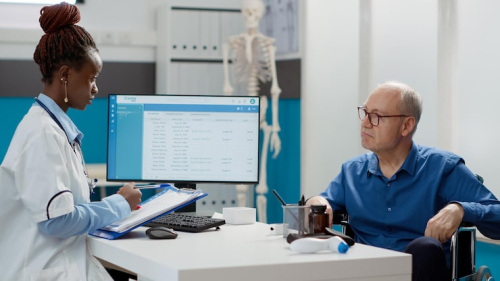
In today’s competitive healthcare environment, chiropractic practices are discovering that patient retention isn’t just about effective adjustments it’s about building lasting relationships. Healthcare CRM Systems have emerged as powerful tools helping clinics across Tennessee, Florida, North Carolina, Texas, Georgia, California, Washington, Illinois, Minnesota, Michigan, Maryland, Pennsylvania, and South Carolina strengthen patient loyalty while streamlining operations. Similar approaches are gaining attention among practices in Canada and parts of Europe seeking to enhance patient engagement in diverse regulatory environments.
These systems go far beyond basic appointment scheduling. They enable practices to nurture meaningful connections through personalized communication, timely follow-ups, and thoughtful insights that help anticipate care needs. For chiropractors balancing clinical expertise with sustainable practice management, the right CRM can transform one-time visitors into loyal patients who value the ongoing support for their wellness journey.
Top chiropractic practices lose patients due to inconsistent follow-ups, disrupting flow and stalling revenue. Take charge of your practice’s growth. TrackStat’s EHR-integrated automation and intelligent task prioritization streamline engagement, maximize retention, and keep schedules full without added stress. See how TrackStat empowers your team to retain patients and grow seamlessly. Schedule your risk-free demo today
The Growing Role of CRM in Chiropractic Care
Customer Relationship Management (CRM) systems in healthcare adapt proven business principles to the unique demands of patient care. They centralize details about interactions, preferences, and treatment patterns while upholding rigorous privacy protections. This integration is especially valuable for chiropractic clinics, where consistent wellness care often extends over months or years.
Practices in these regions navigate distinct challenges. Competitive urban markets in California and Texas demand standout patient experiences, while clinics in more rural areas of Tennessee and North Carolina focus on maintaining engagement despite geographic distances. Healthcare CRM systems help by automating routine tasks and creating opportunities for authentic patient outreach that feels supportive rather than sales-oriented.
Patients today expect the same level of convenience from their healthcare providers as they receive from other services. They appreciate reminders through their preferred channels, straightforward rescheduling options, and communications that reflect genuine attention to their individual needs.
Emerging Trends Shaping CRM Adoption
Cloud-based platforms are seeing strong interest, particularly in forward-thinking areas like California, Texas, and Florida. These solutions provide scalability for expanding practices and minimize the complexity of maintaining on-site technology infrastructure.
Clinics in Illinois and Pennsylvania are integrating smart appointment reminders and personalized follow-up sequences. Such capabilities help lower missed visits while supporting the consistent care essential for long-term musculoskeletal health. Mobile-friendly tools have become particularly useful in Minnesota and Washington, allowing patients to interact with their care plans conveniently from anywhere.
Analytics features empower practices in Michigan and North Carolina to shift toward proactive engagement. Rather than reacting to gaps in care, teams can spot patterns early and offer relevant guidance or scheduling options that keep patients on track.
Complementary technologies play an important supporting role. Chiropractic practices are embracing specialized electronic health record systems that emphasize interoperability, cloud-based accessibility, and features designed specifically for clinic workflows. This evolution supports smoother operations and improved patient experiences across deployment preferences.
Real-World Applications in Chiropractic Practices
A mid-sized clinic in Georgia implemented structured automated follow-up protocols. Thoughtful check-ins after initial visits and progress notes during treatment courses contributed to stronger rebooking patterns. Patients described feeling truly supported throughout their care rather than moved through impersonal processes.
In Washington, one practice connected their CRM platform with telehealth options. This approach helped sustain engagement for patients dealing with scheduling conflicts or temporary mobility limitations, ensuring care continuity without unnecessary in-person requirements for every interaction.
Clinics in Tennessee have leveraged CRM tools to refine insurance-related processes and minimize administrative obstacles. Freeing up staff time in this way allows greater focus on patient education and relationship development critical elements where patient commitment significantly influences treatment success.
Navigating Challenges and Considerations
Adopting new technology inevitably involves hurdles. Protecting patient information remains a top priority. Clinics in California and Maryland, for example, have emphasized strong safeguards for protected health information in their systems.
Staff engagement with new tools can vary. Practices in Illinois and Pennsylvania found that comprehensive training and phased rollouts helped teams integrate the technology more comfortably, ensuring it supports rather than burdens daily workflows.
Connecting CRM platforms with existing electronic health records requires deliberate planning, as demonstrated by implementations in Minnesota and Michigan. When executed effectively, these integrations deliver seamless experiences for both clinical teams and patients.
Automation brings efficiency, yet maintaining a human touch is essential. Leading practices use system insights to enhance caring, personalized interactions instead of allowing technology to replace them.
Driving Operational Efficiencies and Patient Loyalty
Practices in North Carolina and Texas have observed improved return visit patterns and reduced no-shows through targeted reminder systems. These gains support more consistent patient care and contribute to stable practice operations.
In Florida and Georgia, automating routine administrative duties has created valuable time for doctors and staff. This shift allows deeper focus on delivering quality chiropractic adjustments and fostering community trust.
California and Washington clinics are using segmentation capabilities to customize communications according to patient needs whether supporting active adults with wellness maintenance or providing targeted guidance during recovery periods. Such personalization builds stronger relationships and higher satisfaction levels.
At a strategic level, CRM insights help leadership teams make informed decisions about service development and patient experience initiatives based on real engagement patterns.
Ensuring Compliance with HIPAA, GDPR, and CCPA
Healthcare technology discussions must prioritize compliance. The Health Insurance Portability and Accountability Act (HIPAA) establishes essential standards for safeguarding patient information through its Privacy Rule, Security Rule, and Breach Notification Rule. Practices should apply the minimum necessary standard, support patient’s right of access, maintain clear distinctions for authorized disclosures, and implement administrative, physical, and technical safeguards.
Similar considerations apply under GDPR in Europe and CCPA in California, requiring attention to data protection principles across jurisdictions. Clinics benefit from regular risk assessments, staff training, written policies, and Business Associate Agreements with technology vendors. Periodic audits help maintain strong protections.
Examples of sound practices include enabling multi-factor authentication for systems accessing protected information, using encryption for sensitive communications, and establishing clear protocols for breach notification typically within required timelines such as 60 days for affected individuals under HIPAA. This content is educational only and does not constitute legal advice. Consult qualified compliance professionals for guidance tailored to your practice.
The Future of Patient Relationships
Trends across these states and parallel developments in Canada and Europe point toward sustained focus on technologies that enhance patient engagement without compromising care quality or regulatory standards. Clinics are exploring ways to use insights responsibly to better anticipate needs while always centering privacy and ethical practices.
The most successful approaches will continue blending technological efficiency with the personal connection that defines excellent chiropractic care. Administrators evaluating CRM options should consider scalable platforms backed by solid training support and proven healthcare compliance commitments.
Begin by addressing the most pressing operational pain points, whether in appointment management, communication workflows, or administrative efficiency. When implemented thoughtfully, these systems help practices deliver superior experiences that benefit both patients and providers.
Ultimately, healthcare CRM systems prove most valuable when they amplify the human elements of care. From bustling urban centers to community-focused clinics, chiropractic practices that thoughtfully integrate these tools are better positioned to foster loyalty, improve outcomes, and build resilient operations in an evolving healthcare landscape.
The path forward favors those who combine clinical skill with intelligent relationship management creating practices where technology serves people and patients feel genuinely valued at every step of their wellness journey.
Frequently Asked Questions
How do healthcare CRM systems help chiropractic practices improve patient retention?
Healthcare CRM systems help chiropractic practices build lasting patient relationships by automating personalized follow-ups, appointment reminders, and targeted communications that keep patients engaged between visits. They reduce no-shows and support consistent care by reaching patients through their preferred channels with messages that feel supportive rather than transactional. Analytics features also allow practices to proactively identify gaps in care and re-engage patients before they drift away entirely.
Are healthcare CRM systems compliant with HIPAA and other patient privacy regulations?
Reputable healthcare CRM platforms are built to meet HIPAA requirements, including the Privacy Rule, Security Rule, and Breach Notification Rule, as well as regulations like GDPR in Europe and CCPA in California. Key safeguards include multi-factor authentication, encryption for sensitive communications, Business Associate Agreements with vendors, and regular staff training and risk assessments. Practices should conduct periodic compliance audits and consult qualified legal or compliance professionals to ensure their specific implementation meets all applicable standards.
What features should chiropractors look for when choosing a healthcare CRM system?
Chiropractors should prioritize CRM platforms that offer automated appointment reminders, personalized follow-up sequences, and patient segmentation to tailor communications by care type or wellness goal. Seamless integration with existing electronic health record (EHR) systems is essential for smooth clinical workflows, while mobile-friendly tools allow patients to engage with their care plans conveniently from anywhere. Scalability, proven healthcare compliance credentials, and strong vendor training support are also critical factors for long-term success.
Disclaimer: The above helpful resources content contains personal opinions and experiences. The information provided is for general knowledge and does not constitute professional advice.
You may also be interested in: Why Patient Tracking Systems Are Essential for Chiropractic Clinic Success
Top chiropractic practices lose patients due to inconsistent follow-ups, disrupting flow and stalling revenue. Take charge of your practice’s growth. TrackStat’s EHR-integrated automation and intelligent task prioritization streamline engagement, maximize retention, and keep schedules full without added stress. See how TrackStat empowers your team to retain patients and grow seamlessly. Schedule your risk-free demo today
Powered by flareAI.co
